There’s an invisible ceiling stopping your agency from growing, and it has nothing to do with your sales ability.
You’ve built a solid client roster. Your campaigns deliver results. Your team is talented. You’re winning new business consistently. Yet somehow, you can’t seem to break past 15-20 active clients without everything starting to crack. Quality slips. Your team works longer hours. Clients become unhappy. You’re forced to turn down new opportunities or risk watching your agency implode.
This isn’t a people problem or a talent problem. It’s a data problem. According to a 2025 study, found 78% of agencies cite operational constraints as their primary barrier to scaling, with data management being the number one bottleneck. The agencies are stuck at 20 clients, and the ones scaling smoothly to 50, 100, or more are running fundamentally different data operations.
At Lunar, we work exclusively with UK marketing agencies, and we’ve identified exactly why data becomes the growth ceiling for most. In this article, we’ll show you why your current approach can’t scale, what it’s costing you, and why fixing your data infrastructure isn’t optional if you want to grow.
The 20-Client Wall: Why It Exists
Most agencies hit their growth ceiling between 15 and 25 clients, and the pattern is remarkably consistent.
At this size, you’re too big to operate scrappily but too small to have enterprise-level systems. Your founding team is still deeply involved in delivery, but they’re stretched impossibly thin. Every new client adds exponential complexity rather than linear growth.
Here’s what happens: With five clients, your team can manually check each platform, compile reports, and spot issues through personal attention. With ten clients, it gets harder, but it is still manageable through long hours and dedication. With fifteen clients, people start working evenings and weekends just to keep up.
By twenty clients, the system breaks. There simply aren’t enough hours in the day for your team to manually collect data, create reports, respond to client questions, and actually do the strategic work that drives results. You’ve hit operational capacity, and adding more clients without changing how you operate guarantees disaster.
The Math That Doesn’t Add Up
Let’s break down why twenty clients is where agencies typically stall. If each client requires 23 hours monthly for data collection, reporting, and admin (the industry average according to Forrester), that’s 460 hours of non-strategic work per month across your client base.
In a typical 40-hour work week with 22 working days per month, that’s 176 hours available per person monthly. With 460 hours of data admin needed, you require 2.6 full-time people just handling data collection and reporting. These are people who could be running campaigns, generating insights, or winning new business, instead of being stuck in spreadsheets and platform logins.
Add five more clients, and you need another 115 hours monthly. That’s an additional 0.65 FTE. But you can’t hire 0.65 of a person, so you overload your existing team until something breaks: quality drops, people burn out, or clients leave.
What Scaling Actually Requires
Scaling isn’t about working harder; it’s about working systematically.
The agencies that break through the 20-client ceiling understand a fundamental truth: you can’t scale manual processes. What got you to 20 clients won’t get you to 40.
Scaling requires systems that handle complexity without proportionally increasing workload. This means automated data collection, unified reporting infrastructure, standardised workflows, and processes that function consistently regardless of who executes them.
Most importantly, it requires freeing your best people from operational tasks so they can focus on the high-value work that actually differentiates your agency: strategy, insight generation, relationship management, and creative problem-solving.
The Hidden Cost of Not Scaling
Many agency founders convince themselves they’re comfortable at their current size. “We don’t want to get too big,” they say. “We like being boutique.” But staying small by choice is different from being trapped at your current size because you can’t figure out how to grow.
When you can’t scale, you can’t be selective about clients. You take work you shouldn’t because you need the revenue. You can’t afford to fire problem clients because you can’t replace them. You can’t invest in your team’s development because you’re barely keeping the lights on.
According to research, agencies that successfully scale past 25 clients see 43% higher profit margins than those stuck below that threshold. They can afford better talent, invest in marketing, and weather economic downturns. The cost of not scaling isn’t just missed revenue; it’s operational fragility and limited options.
The Data Bottleneck That Stops Growth
Every agency that hits the 20-client wall faces the same core problem: its data infrastructure wasn’t built to scale.
Manual Data Collection Doesn’t Scale
When you have five clients, manually logging into Google Analytics, Google Ads, Facebook, and your CRM to pull data is tedious but manageable. When you have twenty clients, each using different platforms and tools, manual data collection becomes a full-time job for multiple people.
This approach has no economies of scale. Going from 20 to 40 clients literally doubles your data collection workload. You need twice as many people doing the same repetitive tasks, which destroys your profit margins and creates operational chaos.
Inconsistent Reporting Becomes Unmanageable
With a handful of clients, you can customise every report to their specific preferences. As you grow, maintaining dozens of different reporting formats becomes impossible. Your team spends more time figuring out what goes in each report than actually analysing the data.
Inconsistency creeps in. Different team members format reports differently. One client’s report includes metrics, another’s doesn’t. Comparisons between clients become difficult. Your senior people spend hours reviewing reports just to catch errors and inconsistencies before they reach clients.
Knowledge Becomes Siloed
In small agencies, everyone knows everything about every client. As you grow, knowledge gets trapped in individual team members’ heads. When someone is sick, on holiday, or leaves the company, critical information disappears with them.
This person-dependency makes scaling terrifying. You can’t confidently take on new clients when your existing ones are held together by individual relationships and undocumented processes. One key person leaving could trigger multiple client departures.
Strategic Work Gets Crowded Out
Perhaps the most damaging effect of poor data infrastructure is that it consumes the time your senior people should spend on strategy. Your best thinkers spend their days pulling data from platforms instead of identifying growth opportunities, testing new approaches, or having meaningful conversations with clients.
This is why agencies plateau. You’re working at capacity, but most of that work is operational rather than strategic. You’re busy but not productive. Active but not effective.

The Warning Signs You’re Approaching the Ceiling
Most agencies don’t realise they’ve hit their growth limit until it’s too late.
How do you know if you’re approaching the 20-client wall? Here are the telltale signs:
Your Team Is Constantly Overwhelmed
If your team regularly works evenings and weekends just to maintain current clients, you’re at capacity. Adding more work without changing your systems will push them past their breaking point.
Report Deadlines Keep Slipping
When reports that used to arrive on time start arriving late, it’s a sign that your processes can’t handle the current volume. This problem only gets worse as you add clients.
Quality Is Becoming Inconsistent
If you’re catching more errors in client work, or clients are pointing out mistakes you didn’t catch, your quality control is breaking down under the load.
You’re Turning Down Good Opportunities
When you pass on clients you’d love to work with because you “don’t have capacity,” you’re admitting your operations can’t scale to meet demand.
Client Satisfaction Is Declining
If your Net Promoter Score is dropping, response times are increasing, or you’re fielding more complaints, your current size is straining your ability to deliver quality service.
Senior People Are Doing Junior Work
When your most experienced people spend significant time on data collection and report formatting, you’re wasting your most valuable resources on tasks that should be automated or delegated.
You Can’t Take a Holiday
If the agency can’t function properly when you’re away, you haven’t built scalable systems. You’ve built a business dependent on specific individuals, which is the opposite of scalability.
What Happens When Agencies Push Past Their Capacity
Some agency owners ignore the warning signs and try to power through, accepting new clients despite being at operational capacity. The results are predictable and painful.
The Quality Death Spiral
First, quality suffers. With too many clients and not enough time, your team starts cutting corners. Reports become less thorough. Campaign optimisations get delayed. Strategic thinking gets replaced by reactive firefighting.
Clients notice. They start asking more questions, expressing concerns, or becoming difficult. This creates even more work for your already overwhelmed team. Now you’re spending extra time managing unhappy clients rather than delivering great results.
Eventually, clients leave. And they don’t leave quietly. They tell their network why they left, making future sales harder. Your reputation takes a hit just as you’re trying to grow.
The Talent Exodus
Overworked, undervalued team members start looking for other opportunities. Your best people have options, and they’ll take them rather than endure endless 60-hour weeks doing repetitive data admin.
Losing talent creates a vicious cycle. Remaining team members have to absorb the extra work, increasing their burden and likelihood of leaving. Hiring and training replacements consumes more senior time while simultaneously reducing team capability.
According to data from LinkedIn, marketing agencies have 34% higher employee turnover than other professional services firms. Much of this stems from operational burnout caused by poor systems and processes.
The Profit Margin Collapse
As you struggle with capacity, you try to solve it by throwing people at the problem. But because your processes don’t scale efficiently, each new hire delivers diminishing returns. You need two people to handle the work; one person should be able to manage with proper systems.
Your cost per client increases while your revenue per client stays flat. Profit margins compress. You’re working harder than ever but making less money per hour of effort. Growth becomes financially unsustainable.
How Top Agencies Break Through the Ceiling
The agencies scaling successfully have fundamentally different data operations.
The agencies that smoothly scale from 20 to 50 to 100+ clients haven’t found a way to work harder. They’ve built systems that eliminate the bottlenecks that stop others.
They Automate Data Collection and Consolidation
Leading agencies don’t manually collect data. They use platforms that automatically integrate with all their marketing tools, pulling data via API and consolidating it in real-time. When a team member needs to check campaign performance, they open one dashboard, not seven different platforms.
This automation has true economies of scale. Adding five new clients requires virtually no additional data collection effort because the systems handle it automatically. This is how agencies scale from 20 to 100 clients without proportionally increasing headcount.
They Standardise Their Core Processes
Successful agencies develop standardised workflows for everything from client onboarding to monthly reporting. This doesn’t mean every client gets identical treatment, but it means the underlying processes are consistent and documented.
Standardisation enables delegation. When processes are documented and consistent, junior team members can handle tasks that previously required senior attention. This frees your best people for high-value strategic work.
They Build Single Sources of Truth
Elite agencies establish unified data systems where all client information lives. Team members don’t need to ask each other questions or hunt through email chains for information. Everything is documented and accessible in one location.
This eliminates knowledge silos and person-dependency. Anyone on the team can step in on any client account because the information they need is available and organised systematically.
They Invest in Infrastructure Before They Need It
The most successful agencies treat data infrastructure as a strategic investment, not an operational afterthought. They build systems that can handle twice their current client load before they reach capacity.
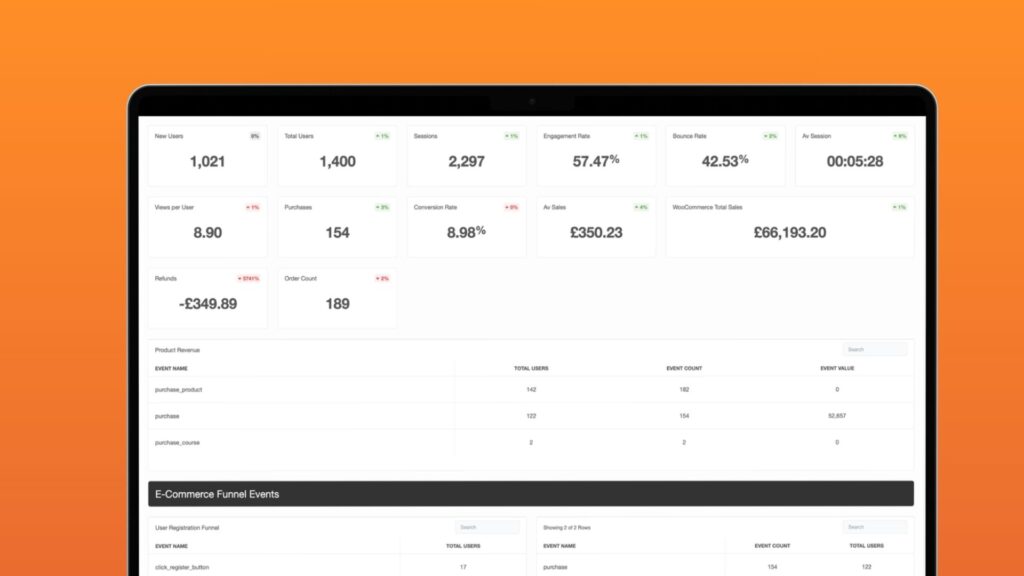
This proactive approach means they can confidently accept new clients, knowing their operations can support them. They’re never in a position where they must turn down good opportunities because they’re operationally maxed out.
The Real Cost of the 20-Client Ceiling
Let’s quantify what being stuck at 20 clients actually costs your agency.
Imagine two agencies that both reach 20 clients in their third year. Agency A stays stuck there because its manual processes can’t scale. Agency B invests in data infrastructure and scales to 40 clients over the next two years.
Agency A (Stuck at 20 Clients):
- 20 clients at £3,000/month average = £60,000 monthly revenue
- Annual revenue: £720,000
- Team: 8 people spending 40% time on data admin
- Profit margin: 18% = £129,600 annual profit
Agency B (Scales to 40 Clients):
- 40 clients at £3,000/month average = £120,000 monthly revenue
- Annual revenue: £1,440,000
- Team: 12 people spending 10% time on data admin (automated systems)
- Profit margin: 28% = £403,200 annual profit
The difference? £720,000 in additional revenue and £273,600 in additional profit annually. Over five years, that compounds to millions in lost revenue and profit opportunity.
But the cost extends beyond money. Agency A’s team is burned out, turnover is high, and the founders are trapped in operations. Agency B’s team works reasonable hours, the culture is strong, and the founders focus on strategy and growth.
Why Data Infrastructure Is the Unlock
Your data infrastructure isn’t a technical detail. It’s the foundation that determines whether you can scale or remain trapped at your current size.
Agencies with manual data processes hit growth ceilings. Agencies with automated, unified data systems scale smoothly. It’s that simple.
The investment required to fix your data infrastructure is significant but nowhere near the cost of remaining stuck. Implementing proper systems might cost £30,000-50,000 annually in technology and services. But if it unlocks an additional £700,000+ in annual revenue and prevents team burnout, the ROI is undeniable.
Most agency founders know this intellectually but delay acting because they’re too busy fighting daily fires to invest in long-term infrastructure. This short-term thinking is exactly what keeps them trapped below the 20-client ceiling.
How Lunar Helps Agencies Scale Past Their Growth Ceiling
At Lunar, we specialise in helping marketing agencies build the data infrastructure they need to scale. Our white-labelled services handle all the technical complexity of integrating platforms, consolidating data, and automating reporting.
We’ve worked with dozens of agencies stuck at their growth ceiling, and we know exactly what it takes to break through. Our approach reclaims the hundreds of hours your team currently wastes on manual data work and redirects that capacity toward strategic activities that drive growth.
When agencies implement our unified data systems, they typically see their operational capacity double without adding headcount. Suddenly, scaling from 20 to 40 clients becomes not just possible but straightforward.
Your Growth Ceiling Is Optional
Being stuck at 20 clients isn’t inevitable. It’s the result of specific operational decisions, primarily around data infrastructure. The agencies that scale successfully haven’t figured out how to work harder or hire more people. They’ve built systems that eliminate bottlenecks and create true operational leverage.
Every month you operate with manual data processes is another month of constrained growth and missed opportunity. The question isn’t whether you need better data infrastructure. The question is whether you’ll implement it before your competitors do and leave you behind.
At Lunar, we help marketing agencies break through their growth ceilings by transforming their data operations. Ready to scale past 20 clients without burning out your team? Get your free data report today and discover exactly what’s holding your agency back from the growth you deserve.