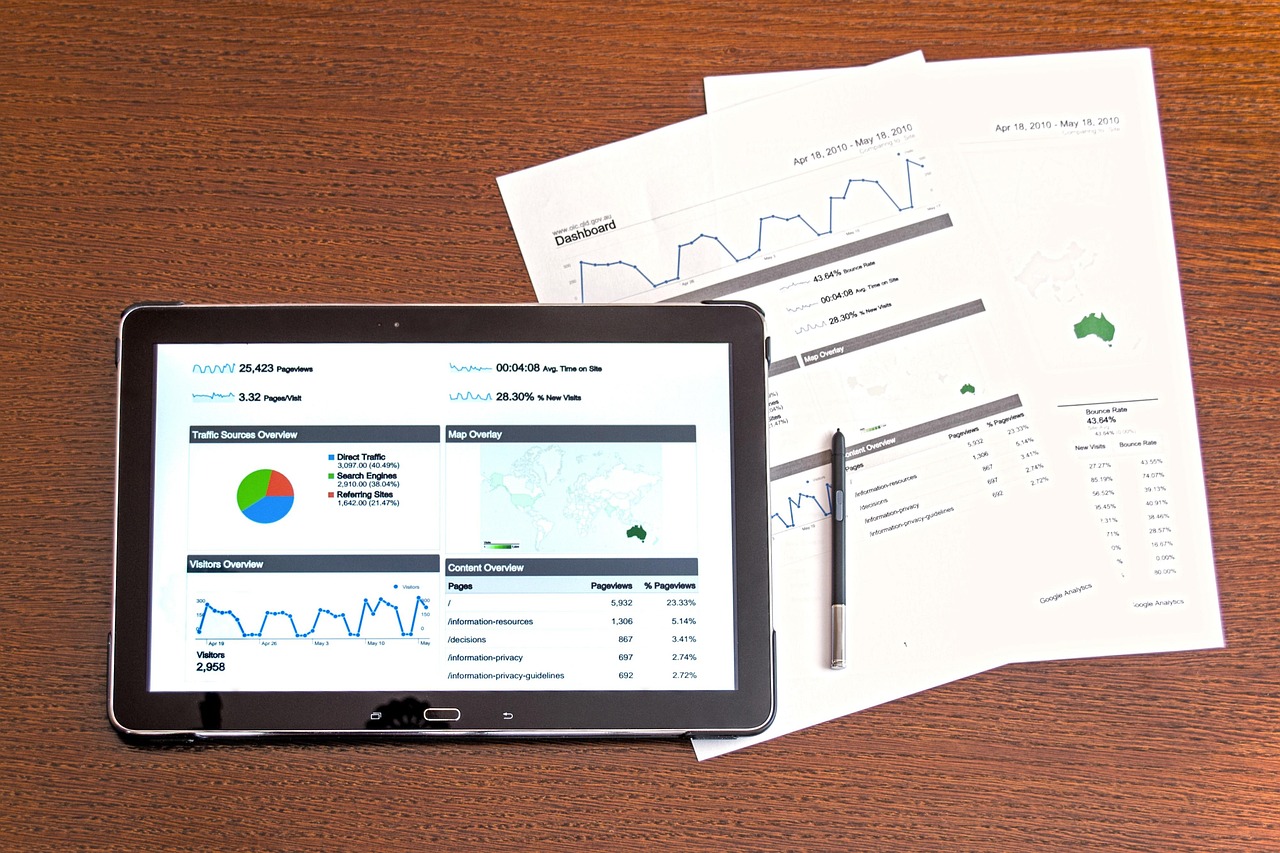
Marketing reports should be one of the most powerful tools an agency has, but for many agencies, reporting is still harder than it needs to be.
43% of agencies say their biggest reporting challenge is showing clients the metrics that prove the value of their work. This struggle often comes down to messy, scattered data.
Data lives across multiple platforms, making it take longer to pull reports together. Even then, it’s not always clear which channels are actually driving results. Clients ask tough questions, and reports don’t always give clear answers.
The good news is that better marketing reports don’t require more data; they require the right focus. So, what should be your focus when creating marketing reports?
In short, agencies can turn reports into actionable tools by focusing on the right metrics, telling a clear story, mapping the full customer journey, and leveraging AI and automation.
In this post, we’ll break down marketing reporting best practices agencies should prioritise when creating reports, and how getting that focus right can help you look great in front of your clients.
1. Focus on Outcomes, Not Just Data
Clients don’t hire an agency to see spreadsheets full of numbers; they hire you to drive results. What really matters to them is understanding whether their marketing budget is generating leads, sales, or growth. Raw data alone rarely tells that story.
One common mistake agencies make is including every metric they can pull from their tools. While it may feel thorough, this approach can overwhelm clients and hide insights that truly matter. This leads to a real challenge internally, with 55% of agency marketers reportedly feeling overwhelmed by the amount of data they collect.
A strong marketing report focuses on the metrics that demonstrate results. Aim to highlight which campaigns are performing, the channels driving revenue, and areas with growth potential.
Agencies that focus on the right KPIs make it easier for clients to see the impact of their work and trust their recommendations. Reports stop being a mere collection of numbers and turn into a tool that proves impact, effectively guiding future marketing decisions.

2. Tell a Story With Your Data
Once you’ve identified the right metrics, the next step is showing how they connect. Even the most relevant KPIs can be confusing if they’re presented as a list of numbers without explanation. Listing numbers without context leaves clients guessing about what’s working and why.
The way you present data matters. An exercise by Chip Heath, professor at Stanford, found that 63% of people could recall a story behind a presentation, but just 5% remembered individual statistics, showing that narrative context helps insights stick.
Effective reports guide clients through the journey: show how campaigns work together, how different channels contribute to outcomes, and where trends point to new opportunities. Emphasise patterns, explain changes in performance, and link actions to the results they produce.
Turning metrics into a narrative helps agencies transform reports from static spreadsheets into insightful tools. Clients can see the bigger picture, understand the strategy behind the results, and make confident decisions based on the insights you provide.
3. Show the Full Customer Journey
Clients want to see how every marketing channel contributes to results, not just the last click. Even so, reports can focus on individual campaigns within a single channel, which hides the bigger picture of how marketing drives results.
Customers interact with an average of 3.4 touchpoints before converting, making it essential for agencies to track the full journey to accurately measure ROI and performance.
A complete report maps the customer journey, showing how each touchpoint contributes to conversions and revenue.
For example, a user might first engage with a social media ad for Nike’s Spring Sale (channel: Facebook, campaign: Spring Sale), then click an email from Nike (channel: Email, campaign: February Newsletter), and finally convert through a search ad on Google (channel: Google Ads, campaign: Retargeting).
This approach ensures early and mid-funnel activity gets the attention it deserves. Tracing the full journey across channels and campaigns helps agencies identify underperforming campaigns, gaps in the journey, and opportunities to increase ROI.
Essentially, showing how all channels and campaigns work together turns reports into a strategic tool, giving clients confidence in your recommendations and budget allocation.

4. Use AI to Highlight Insights and Predict Outcomes
Even when agencies track the right metrics and map the full customer journey, reports can still be overwhelming. Sifting through campaigns and touch points to find meaningful insights can take hours, time that could be better spent on optimising campaigns or strategy.
AI and automation solve this problem. Automated tools can quickly process performance data, highlight trends, flag underperforming campaigns, and surface unexpected patterns in customer behaviour.
When combined with predictive analytics, AI can also forecast which channels or campaigns are likely to perform best, helping agencies prioritise actions that will drive results.
Studies show that businesses using AI for predictive analytics achieve an average 15-20% increase in marketing ROI, thanks to more efficient ad spend, smarter targeting, and optimised campaign timing. This shows how AI can help agencies turn complex data into actionable insights.
Agencies that leverage AI and automation are better positioned to make strategic recommendations instead of crunching numbers. Rather than being a summary of past performance, reports turn into forward-looking tools that show clients which actions will maximise impact and growth.

How Can We Help
To sum up, what should be your focus when creating marketing reports?
By concentrating on the right metrics, telling a clear story, mapping the full customer journey, and leveraging AI and automation, agencies can turn reports into actionable tools that guide strategic decisions.
Clients gain confidence and trust in your decisions when reports clearly show what’s working and where to invest next.
Lunar works with agencies to make reporting simple, fast, and client-ready. We turn complex, scattered data into clear dashboards and branded reports, highlighting the metrics that matter most and providing AI-powered insights to uncover trends and opportunities.
The result is reports that empower agencies to make smarter decisions and show real value to their clients, strengthening client relationships in the process.
Want to see the difference for yourself?
Request a free client report and agency dashboard, or call +442922714737 to speak to a member of our team.