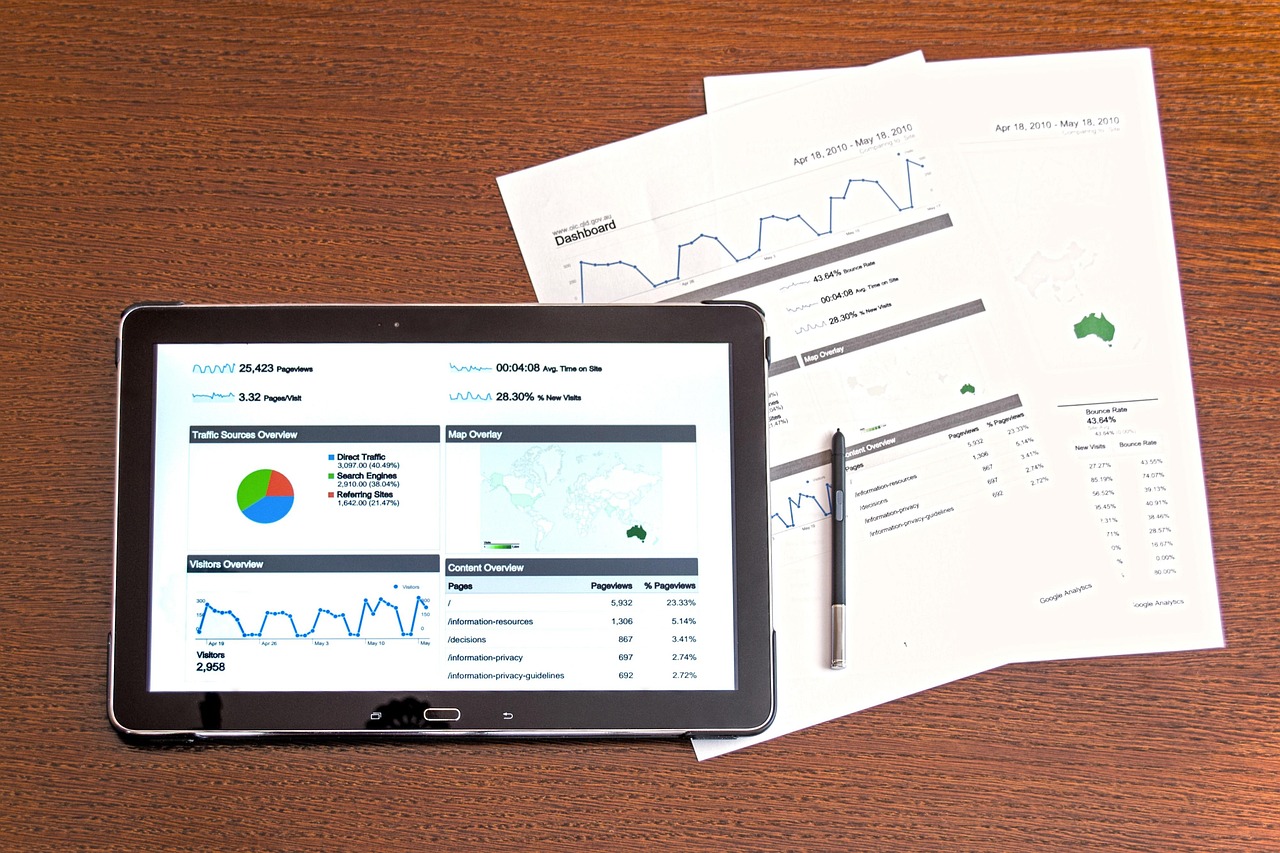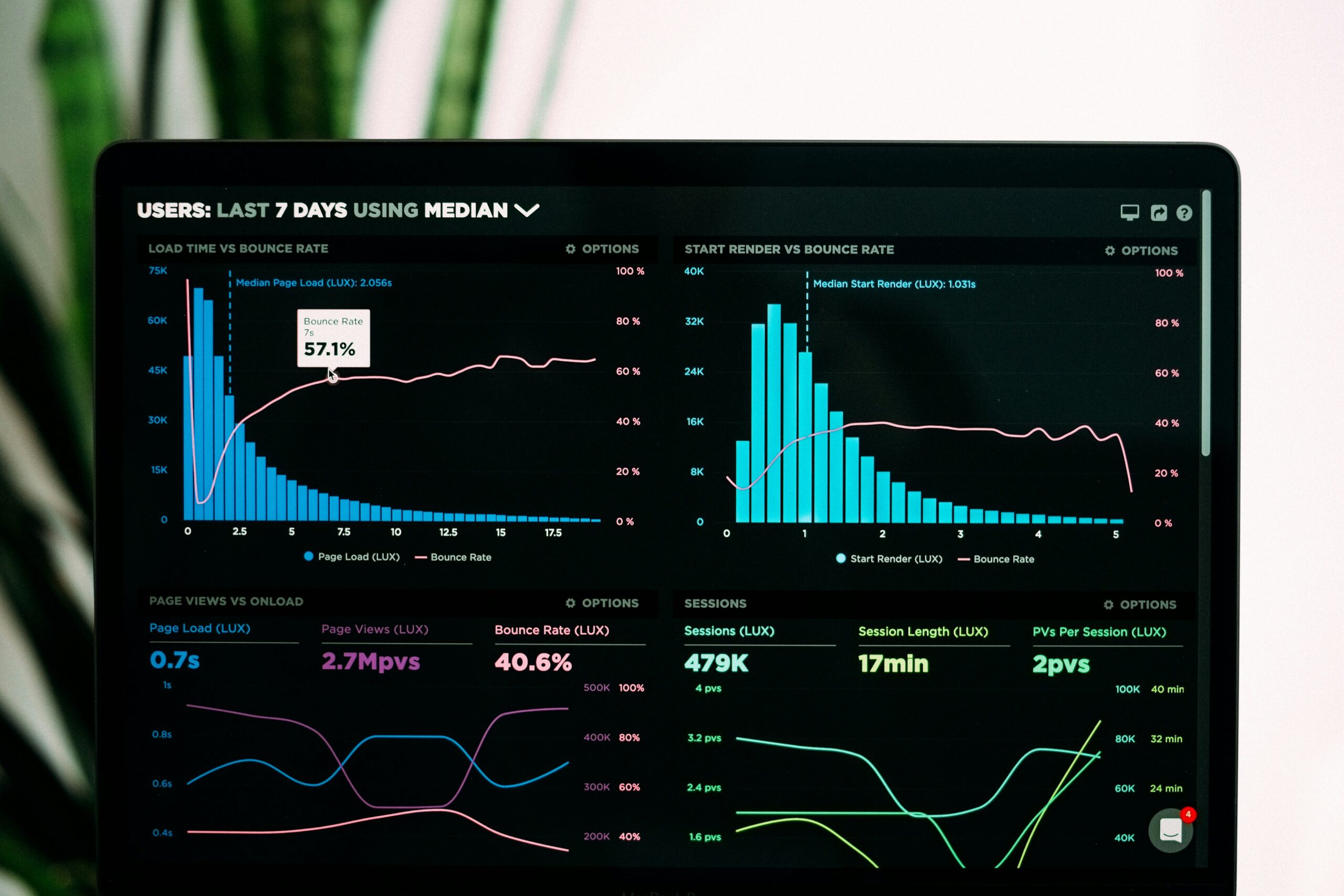
In 2026, data is everything, but the way we collect and use it has changed. With website cookies disappearing, privacy laws tightening, and tracking getting harder to record, agencies can no longer rely on patchy or third-party data to build their client campaigns.
That’s where first-party data comes in. It’s data collected directly from your clients’ customers, real people, giving real signals about what works and what doesn’t. It’s compliant and completely yours to build on.
In this article, we’ll break down what first-party data actually is, why it’s so important for agencies, and how it can give you the edge when proving ROI and winning client trust.
What Is First-Party Data?
First-party data is information collected directly from your clients’ own audience, such as form submissions, purchase history, website activity, and email engagement.
It’s the difference between guessing who your customers are and actually knowing them. Because it comes straight from the source, it’s far more accurate and reliable than third-party data (which is often bought or estimated from elsewhere). For example, if you used emails from a platform like Apollo.io, this is an example of third-party data as it is aggregated somewhere else, and we have little control over the setup of the platform or the quality of that data. We are just given all the information, and then we have to sift through it.
Also, some first-party data can be anonymised, meaning that you do not know exactly who that user is compared to data given directly by the customer themselves. An example of this would be Google Analytics 4. You can see users on your site, but you cannot see what their names are.
Think of it as the foundation for every smart marketing decision, your clients’ direct connection to their customers.
Example:
If a visitor downloads a free resource from your website or adds a product to their basket, that’s first-party data. It shows clear intent, not just a random click tracked from another website or platform.

Source: Usercentrics.com
Why First-Party Data Matters for Agencies in 2026
For agencies, first-party data is essential. It makes your reporting better, your targeting more focused, and your results more predictable.
Here’s why it matters so much right now:
- Better targeting: You can build real audience segments based on behaviour, not assumptions.
- Reliable reporting: It gives you clear visibility into what’s working, across every channel.
- Client trust: Clients want proof, not promises. First-party data lets you show real outcomes.
- Future-proof results: Privacy-first marketing is here to stay. Using owned data keeps you compliant and confident.
Agencies that master first-party data are already setting themselves apart. They’re offering clients smarter insights, more personalised campaigns, and results they can actually back up.
How to Collect and Use First-Party Data
Collecting first-party data doesn’t have to be complicated. In fact, your clients are probably sitting on more of it than they realise.
Here are the main ways agencies can collect and use it effectively:
- Website analytics: Track visitor behaviour with tools like GA4 or Tag Manager.
- CRM systems: Connect contact forms, sales activity, and email responses in one place.
- Surveys and feedback forms: Ask customers about their experience directly, think Net Promoter Score (NPS)
- Email marketing tools: Measure open rates, clicks, and engagement over time.
Once collected, this data can be used to:
- Personalise campaigns based on client interests
- Identify buying patterns and influence these to sell more or different products
- Improve ad performance by using real data
- Create better data dashboards and reports, as this is the best data you can get.
When everything is connected, you can clearly show how a campaign drives awareness, engagement, and revenue.

Source: Zendesk
Overcoming the Challenges
Of course, getting to this point can be tricky. Many agencies face the same challenges:
- Data scattered across platforms
- Privacy and consent compliance
- Limited volume for smaller clients
The key is to simplify. Start by bringing everything into one dashboard or into data reports. Focus on what really matters, which is the data that helps your clients grow.
First-party data doesn’t have to be complicated to be valuable. Even small, consistent improvements in how it’s collected and presented can make a huge difference.
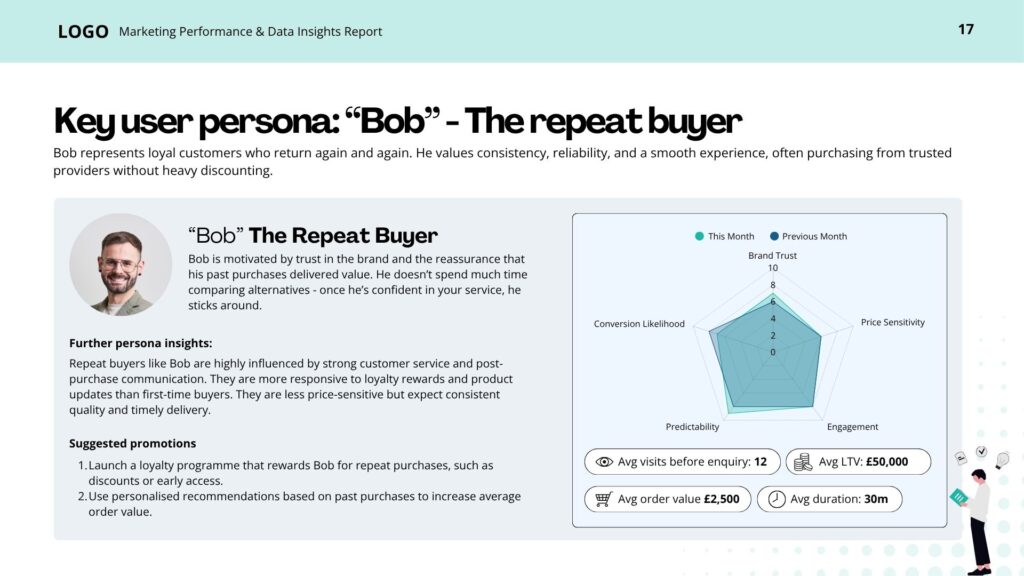
Source: Lunar
The Future of First-Party Data for Agencies
Looking ahead, we believe that the agencies that thrive will be the ones that use data not just for reporting, but for real AI-powered data insights for their clients. AI tools will help turn raw data into easy-to-read recommendations, spotting risks and opportunities faster than any manual process. Dashboards will become storytelling tools, helping clients see not just what happened, but why it happened.
By combining first-party data with human interpretation, agencies can deliver the kind of results that build trust and long-term partnerships.
Questions & Answers
Q. Will first-party data replace third-party data completely?
A. No, well, not entirely, but it’s now the foundation of good marketing. Third-party data may still fill some gaps, but first-party data is cleaner, more accurate, and future-proof.
Q. How can agencies start using first-party data for their clients if they don’t have much yet?
A. They can start small. Collect email engagement, on-site actions, and form responses. Connect them in one place and focus on insights over quantity. The quality of the data is what matters most. The higher the quality, the more accurate the insights they can give to their clients.
Q. What are the biggest wins for agencies using first-party data today?
A. The biggest one is stronger client relationships. When you can show exactly how activity turns into results, you earn more trust, and that leads to higher retention, bigger budgets, and more referrals.
Agencies that understand and use first-party data now are building the foundations for growth in 2026 and beyond. When your insights are grounded in real, reliable data, every decision becomes clearer, and every report tells a story that sells your value to your clients and keeps them around longer.
If you are a marketing agency and are finding it challenging to manage all your clients’ first-party data, you are not alone. That is why we added first-party data collection on each of our data packages for agencies.
We help agencies piece together messy first-party data so they can be the information behind real business intelligence. You can get a free report for any of your clients, which covers a first-party data review, but also 20+ pages of useful information that you can take back to your client.